At First, Self-Storage Seems Cheaper
Many online sellers start by renting a self-storage unit. It’s tempting — lower cost, easy setup, and off-site storage keeps boxes out of your home.
But as soon as your business grows, self-storage quickly becomes limiting and inefficient. Daily picking, packing, and managing stock from a storage unit is cumbersome, and it doesn’t provide the professional environment your business needs.
When Self-Storage Works
Self-storage can be suitable in very specific situations:
- You only need to store stock and handle orders elsewhere
- You don’t require daily access or a workspace
- You’re at a very early stage, shipping only a few orders per week
In short, self-storage is a short-term solution for minimal operations, but it won’t support growth.
When a Small Warehouse Is the Better Option
A small warehouse is designed for active, growing e-commerce businesses. It’s the right choice if you:
- Need space to pack, pick, and ship orders daily
- Want 24/7 access, proper lighting, power, and Wi-Fi
- Are running a serious business, not just storing boxes at home
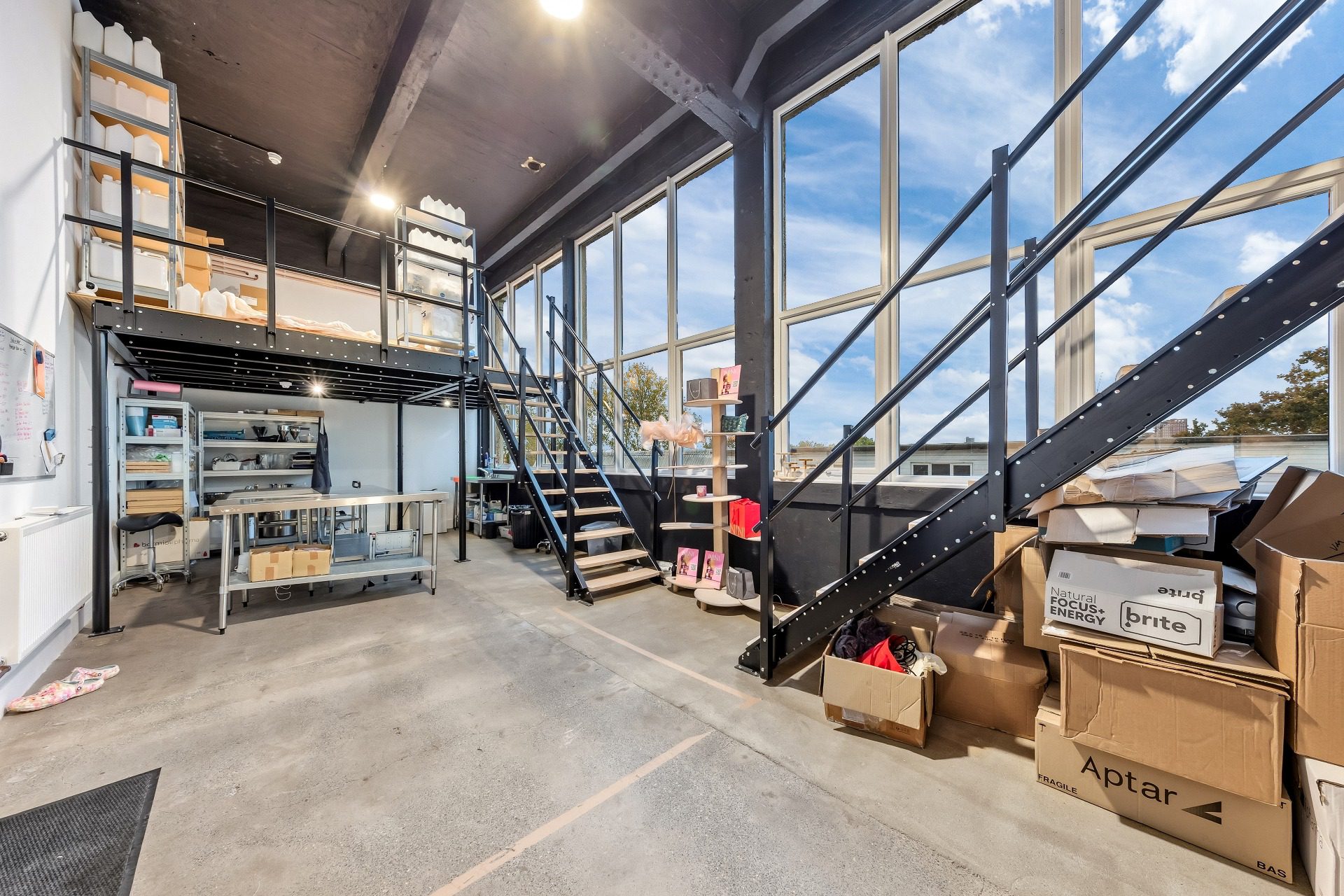
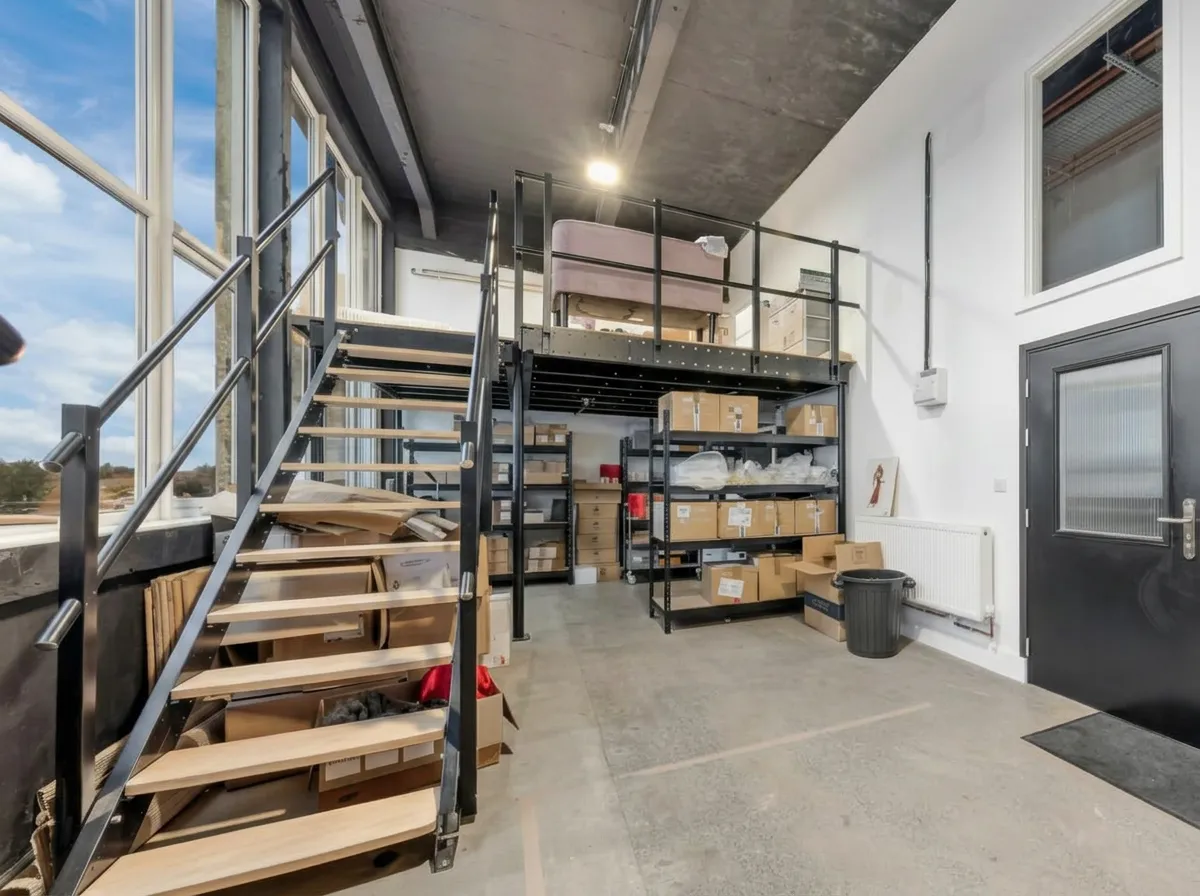
A warehouse allows you to organize stock, streamline fulfilment, and even include a small office for admin tasks, keeping your operation professional and scalable.
Why the Difference Matters
E-commerce isn’t static — it’s fast-moving, dynamic, and order-driven.
- A self-storage unit doesn’t handle daily picking and packing efficiently
- A warehouse supports frequent deliveries, workflow, and storage optimization
- Warehouse setups can include racking, packing benches, and office space, which make your business run smoother
Choosing the right type of space affects speed, productivity, and overall growth potential.