Setting up your first proper workspace is a huge milestone for any online business. Done well, it instantly makes your operations faster, cleaner, and far more professional. Whether you’re moving out of your home setup or levelling up from a storage unit, here’s how to create a warehouse layout that actually works.
Step 1: Map Your Workflow
Before you buy anything or move shelves around, map out what you actually do each day:
- Receiving stock
- Storing items
- Picking orders
- Packing & labelling
- Admin and customer service
Design your warehouse layout to guide this flow. When everything follows a logical path, you save time, reduce mistakes, and speed up fulfilment.
Step 2: Invest in Smart Storage
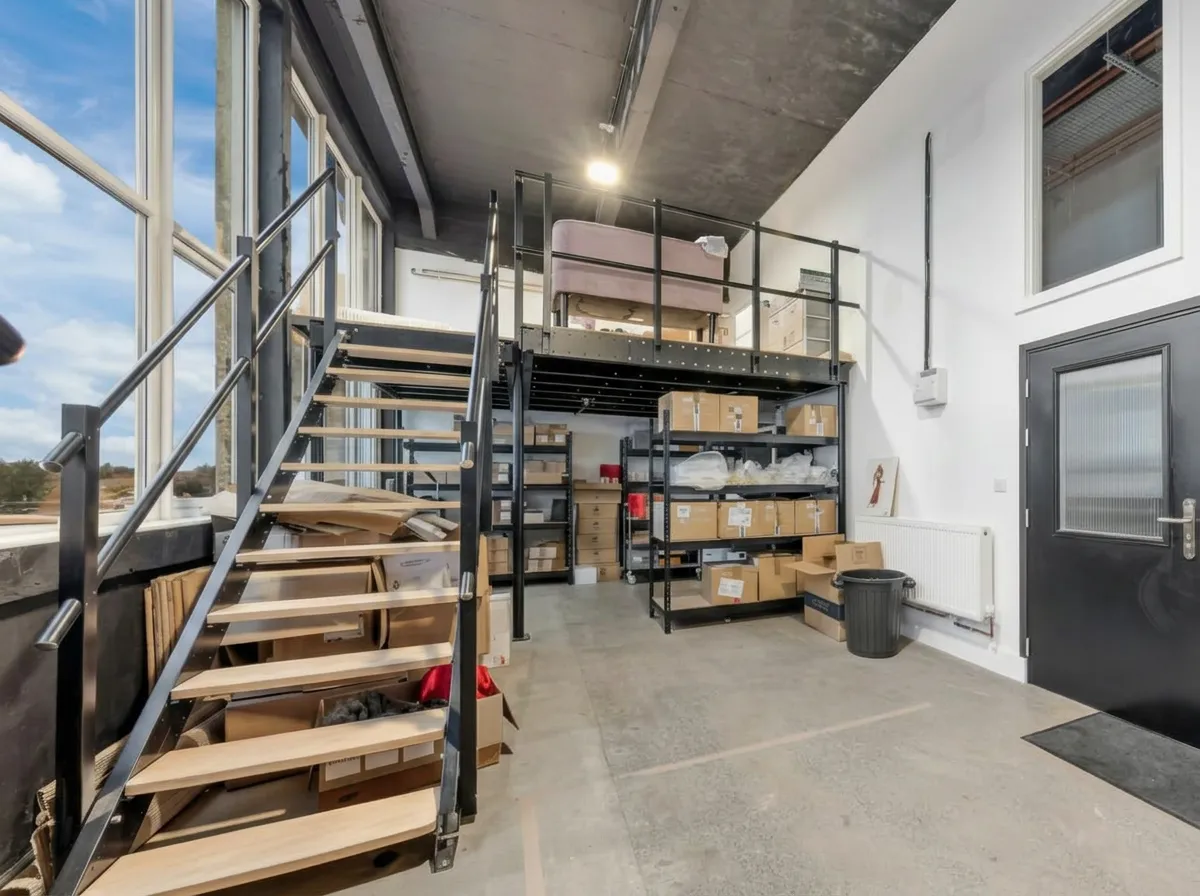
Good storage makes a small unit feel twice the size. Think:
- Strong shelving and racking
- Clear product zones
- Easy-to-reach fast-moving items
- Labels for every shelf and bin
A structured system means you can train staff faster and find products instantly.
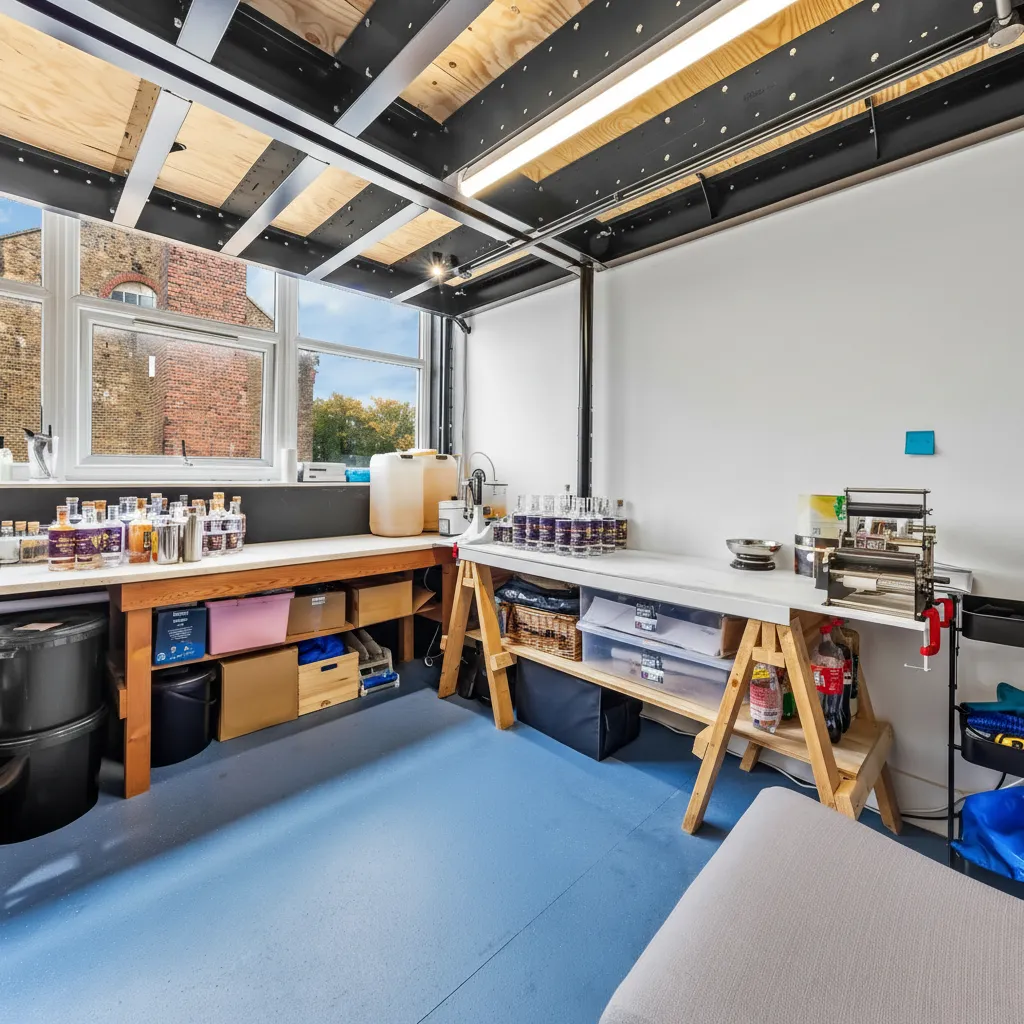
Step 3: Create a Proper Packing Station
A dedicated packing area is one of the biggest efficiency upgrades you can make.
Include:
- A sturdy bench
- Label printer
- Tape dispenser
- Packaging materials
- Scales
When everything has a place, you avoid clutter and speed up every single order.
Step 4: Get Connected
Your warehouse is the engine room of your business—but the admin still needs to run smoothly.
Make sure you set up:
- Reliable Wi-Fi
- Printer access
- A compact office corner or desk
- Charging points for scanners or devices
This keeps your “front end” running strong while your fulfilment stays efficient.
Step 5: Leave Room to Grow
Your current order volume is just the starting point. Choose a layout (or a unit) that gives you some breathing room.
A little extra space now prevents you from needing another move right when you’re scaling fastest.
Final Thought
Your warehouse doesn’t need to be fancy—it needs to be functional.
Focus on speed, organisation, and control, and you’ll build a workspace that supports your business as it grows.